
A full home renovation can transform the way you live, but it also brings dozens of decisions that need to happen in the right order. Layout changes, materials, approvals, electrical upgrades, plumbing, carpentry, lighting, painting, and final finishing all connect to one another. When one step is missed, delays and extra costs can follow.
That is why a clear full home renovation checklist is so valuable. It helps you move from “we want to renovate” to a structured project with defined goals, realistic timelines, and fewer surprises. Whether you are renovating a villa, apartment, townhouse, penthouse, or commercial space in Dubai, the following checklist will help you prepare properly before work begins and stay organized until handover.
Start With the Renovation Purpose
Before discussing finishes or floor plans, define why you are renovating. A home designed for resale may require different decisions than a home designed for family comfort, rental income, or long-term luxury living.
Ask yourself what the renovation needs to achieve. Do you want a more open layout? Better storage? A modern kitchen? Improved bathrooms? Updated electrical and plumbing systems? A higher-end interior style? More durable materials for children, pets, or frequent guests?
Clarity at this stage helps your renovation team make better recommendations. It also prevents scope creep, which happens when new ideas are added during the project without adjusting the budget or schedule.
| Renovation goal | What to clarify before design begins |
|---|---|
| Better daily comfort | Room flow, lighting, storage, AC performance, kitchen and bathroom function |
| Modern interior style | Color palette, flooring, wall finishes, joinery, doors, lighting, hardware |
| Higher property value | High-impact upgrades, durable materials, neutral design, quality installation |
| Family lifestyle upgrade | Safety, storage, flexible rooms, easy-clean surfaces, practical layouts |
| Luxury transformation | Premium finishes, custom carpentry, feature walls, statement lighting, spa-style bathrooms |
A smooth project starts when everyone understands the “why” behind the renovation, not only the visible changes you want to make.
Create a Room-by-Room Scope of Work
A full home renovation is easier to manage when it is broken down by area. Instead of saying “renovate the whole house,” list exactly what should happen in each room. This makes contractor quotations more accurate and reduces misunderstandings later.
For each area, note what will stay, what will be removed, and what needs to be upgraded. Be specific about items such as flooring, ceilings, wall finishes, lighting points, sockets, wardrobes, kitchen cabinets, bathroom fixtures, and doors.
A good scope should include the main living areas, bedrooms, bathrooms, kitchen, corridors, balconies, outdoor areas if relevant, and any service spaces such as laundry rooms or storage rooms. For villas, also consider exterior painting, landscaping, boundary walls, garage areas, entrance features, and outdoor lighting.
Set a Realistic Budget With a Contingency
Budgeting is one of the most important parts of a full home renovation checklist. Renovations involve visible design items and hidden technical work. Many homeowners focus on tiles, cabinets, and paint, but the behind-the-wall elements can be just as important.
Your budget should account for demolition, MEP work, waterproofing, AC coordination, carpentry, flooring, tiling, painting, lighting, sanitaryware, appliances, site protection, cleaning, and finishing details. If your home is older, allow extra room for unexpected repairs once walls, ceilings, or floors are opened.
A contingency is highly recommended. This is a reserved amount for changes, surprises, or upgrades discovered during the project. The ideal amount depends on the age, condition, and complexity of the property, but skipping contingency planning can put pressure on the project later.
Do not compare quotes based only on the lowest number. A low quotation may exclude important works, use unclear allowances, or leave out finishing details. Instead, compare what is included, what is excluded, what materials are specified, and how the contractor will manage the work.
Check Approvals, Building Rules, and Community Guidelines
In Dubai, renovation requirements can vary depending on the property type, building management, developer, and community. Apartments often require permissions from building management, while villas may involve community approvals for exterior work, structural changes, or major MEP modifications.
Before work starts, confirm whether approvals are needed for demolition, layout changes, plumbing relocation, electrical upgrades, AC modifications, waterproofing work, external changes, or noise-generating activities. Some buildings also have specific working hours, lift booking rules, waste disposal procedures, access permits, and contractor registration requirements.
This step is not just administrative. It protects your timeline. If approval requirements are discovered after work begins, the project can be delayed while paperwork is submitted and reviewed.
Choose the Right Renovation Partner
A full home renovation requires coordination across multiple trades. The contractor should understand design, site execution, sequencing, technical upgrades, material handling, and finishing quality. You are not only hiring labor, you are hiring project management.
When evaluating renovation companies, look for clear communication, detailed scope documentation, transparent inclusions, previous project experience, and a practical understanding of Dubai properties. Ask how they manage timelines, how they handle variations, and how often you will receive progress updates.
This is where a professional renovation company can make a major difference. Revo Craft Renovations provides bespoke home renovation, kitchen remodeling, interior styling, wall finishing, electrical and plumbing upgrades, custom carpentry, and project management services in Dubai, helping homeowners move from concept to completion with a more structured process.
Finalize Design Details Before Site Work Begins
One of the biggest causes of renovation delays is making design decisions too late. If tiles, lighting, paint colors, joinery finishes, sanitaryware, or hardware are selected after work begins, the site team may need to pause or resequence tasks.
Finalize as many details as possible before demolition. This includes floor plans, ceiling plans, lighting layouts, switch locations, bathroom layouts, kitchen cabinet drawings, countertop choices, door styles, wall finishes, and paint colors.
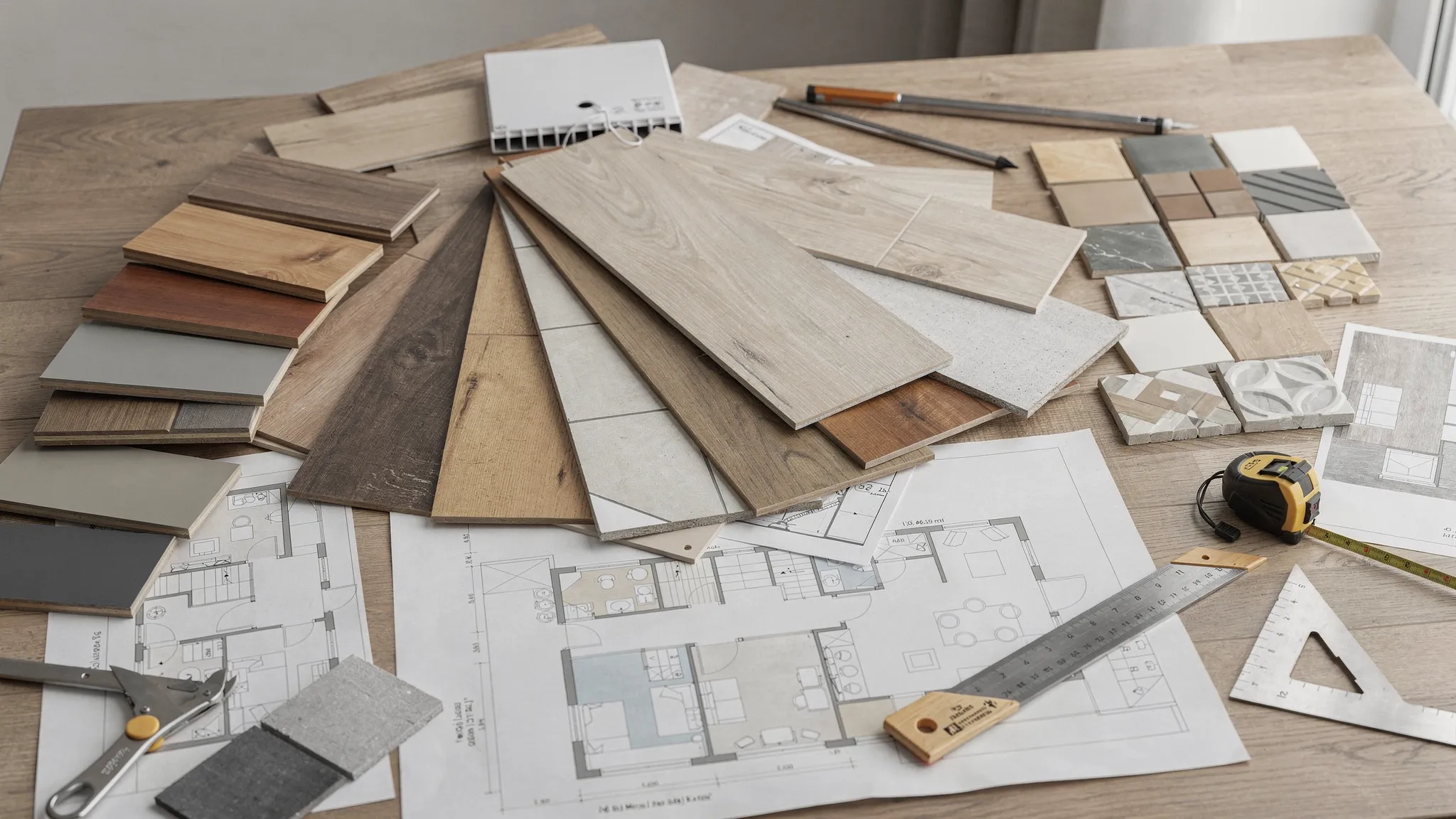
The earlier your selections are confirmed, the easier it is to order materials, schedule trades, and avoid last-minute compromises.
| Design item | Why it should be decided early |
|---|---|
| Flooring | Affects levels, skirting, doors, transitions, and installation sequence |
| Kitchen layout | Determines plumbing, electrical points, ventilation, and appliance placement |
| Bathroom fixtures | Impacts drainage, water supply, waterproofing, and tile cuts |
| Lighting plan | Affects ceiling work, wiring, switch positions, and mood of each space |
| Custom joinery | Requires measurements, drawings, materials, workshop time, and installation coordination |
| Wall finishes | Influences surface preparation, lighting effect, and final interior style |
Good design planning does not remove flexibility completely, but it reduces the number of decisions that need to be made under pressure.
Plan Moving, Storage, and Site Access
A renovation site needs clear access. Furniture, valuables, fragile items, personal documents, artwork, and electronics should be moved or protected before work begins. Even if you are renovating in phases, dust and movement can affect nearby rooms.
Decide whether you will live in the property during the renovation. For smaller cosmetic upgrades, staying may be possible. For a full home renovation involving demolition, flooring, bathrooms, kitchen work, electrical changes, or plumbing upgrades, temporary accommodation is often more practical.
Create a moving and protection plan before the start date. Label packed items clearly, separate essentials, and decide what goes into storage. If you are coordinating a move in another city or country alongside your renovation, it can help to review how professional relocation companies organize packing, specialty items, storage, and clear quotes, such as the process used by trusted moving services.
For the renovation site itself, confirm lift access, parking, delivery routes, waste removal points, and working hours. These details may seem small, but they affect daily progress.
Prepare the Technical Checklist
Beautiful finishes depend on strong technical work. A premium-looking renovation can still fail if waterproofing, plumbing, electrical, or AC coordination is poorly handled.
Before closing walls and ceilings, review the technical requirements carefully. This is especially important for older properties, homes with previous renovations, and projects that involve relocating kitchens, bathrooms, or laundry areas.
Your technical checklist should cover the following areas:
- Electrical load requirements, socket placement, lighting circuits, appliance points, and smart home readiness.
- Plumbing lines, drainage slopes, water pressure, mixer locations, concealed pipes, and access panels.
- Bathroom and wet area waterproofing, including testing before tiling begins.
- AC vent positions, thermostat locations, ceiling coordination, and airflow comfort.
- Kitchen ventilation, appliance clearances, under-cabinet lighting, and water supply connections.
- Internet, TV, security, and low-current points for modern living needs.
This stage should be documented and inspected before surfaces are closed. It is much easier to adjust a pipe or wire during rough-in than after tiles, paint, or cabinetry are installed.
Sequence the Renovation Correctly
Every full home renovation needs an organized sequence. While the exact order may change depending on the property and scope, most projects follow a logical progression from preparation to handover.
| Project phase | Typical work involved |
|---|---|
| Pre-start preparation | Final scope, approvals, material selections, site access, protection, schedule confirmation |
| Demolition and removal | Removing old finishes, cabinets, fixtures, partitions, ceilings, or flooring as required |
| Rough MEP work | Electrical, plumbing, drainage, AC coordination, low-current wiring, concealed services |
| Structural or layout work | Partition changes, openings, leveling, framework, and any approved modifications |
| Wet area preparation | Waterproofing, screeding, testing, bathroom and kitchen substrate preparation |
| Finishing work | Tiling, flooring, painting, wall finishes, ceilings, doors, joinery, lighting installation |
| Final installation | Sanitaryware, kitchen appliances, hardware, mirrors, accessories, touch-ups, cleaning |
| Snagging and handover | Inspection, defect correction, documentation, final walkthrough, client acceptance |
Correct sequencing helps avoid rework. For example, installing custom cabinets before flooring levels are finalized can create alignment issues. Painting before heavy installation work is complete can lead to unnecessary touch-ups. Good project management keeps each trade moving in the right order.
Track Communication and Variations
Even with excellent planning, questions may come up during the renovation. A hidden pipe may be discovered, a tile may go out of stock, or a homeowner may decide to upgrade a feature. The key is not to avoid every change, but to manage changes clearly.
Agree on a communication process before work begins. Know who your main contact is, how often updates will be shared, and how approvals will be documented. Important decisions should not rely only on quick verbal conversations at the site.
For variations, ask for the cost and time impact before approving the change. This protects both the homeowner and the contractor. It also keeps the final invoice aligned with decisions made during the project.
A simple decision log can be useful. Record the date, item, decision, approved cost if any, and impact on schedule. This is especially helpful in larger renovations where many details are being managed at once.
Inspect Work Before the Next Stage Begins
Quality control should happen throughout the project, not only at the end. Once a finish is installed over hidden work, checking becomes harder.
Plan key inspection points after demolition, after rough MEP work, after waterproofing, after tiling, after flooring, after joinery installation, and before final handover. Your renovation team should also inspect alignment, leveling, gaps, paint finish, silicone lines, cabinet doors, drawers, lighting, water flow, drainage, and electrical function.
This does not mean micromanaging every worker. It means building quality checkpoints into the schedule so small issues are corrected before they become expensive problems.
Prepare for Snagging and Handover
The final stage of a renovation is not simply receiving the keys. Snagging is the process of identifying items that need adjustment, repair, cleaning, or completion before the project is fully accepted.
Walk through the property room by room. Open cabinets and drawers, test lights and switches, run taps and showers, check drains, inspect tile joints, review paintwork in daylight and evening light, test doors and locks, and examine silicone finishing around wet areas.
Your snagging list should be specific. Instead of writing “fix bathroom,” note the exact issue and location, such as “adjust silicone line behind master bathroom basin” or “touch up paint beside living room switch.” Clear snagging helps the team resolve items faster.
After snagging is completed, request relevant handover information such as care instructions for surfaces, warranty details where applicable, appliance manuals, paint references, and maintenance guidance.
Quick Full Home Renovation Checklist
Use this simplified checklist as a reference before your project starts and during the renovation.
| Checklist item | Status |
|---|---|
| Renovation goals are clearly defined | To confirm |
| Room-by-room scope of work is documented | To confirm |
| Budget and contingency are planned | To confirm |
| Required approvals and building rules are checked | To confirm |
| Contractor responsibilities and exclusions are clear | To confirm |
| Design direction and layout are finalized | To confirm |
| Materials, fixtures, and finishes are selected early | To confirm |
| Moving, storage, and site access plan is ready | To confirm |
| Electrical, plumbing, AC, and waterproofing requirements are reviewed | To confirm |
| Project sequence and timeline are agreed | To confirm |
| Communication and variation approval process is set | To confirm |
| Quality checkpoints are scheduled | To confirm |
| Final snagging walkthrough is completed | To confirm |
| Handover documents and care instructions are collected | To confirm |
This checklist will not replace professional project management, but it gives you a clear framework for asking the right questions and staying organized.
Common Mistakes to Avoid
Many renovation problems happen before construction even begins. The most common mistakes include starting without a final scope, choosing materials too late, underestimating hidden technical work, ignoring approval requirements, and comparing contractor quotes without checking inclusions.
Another common mistake is focusing only on appearance. A full home renovation should improve the way the home functions, not just how it looks. Storage, lighting, ventilation, electrical capacity, plumbing reliability, and long-term durability all matter.
Finally, avoid rushing the handover. A careful final inspection helps protect the quality of the renovation and gives the contractor a clear list of items to complete before you move back in fully.
Frequently Asked Questions
How long does a full home renovation take? The timeline depends on the property size, scope of work, approvals, material availability, and complexity of technical upgrades. Cosmetic renovations may be shorter, while full renovations involving kitchens, bathrooms, MEP work, custom joinery, and layout changes require more time.
Should I move out during a full home renovation? If the renovation involves demolition, flooring, bathroom work, kitchen work, electrical upgrades, or plumbing changes, moving out is usually more comfortable and safer. Staying may be possible for phased or light renovation work, but it can slow progress.
What should I finalize before renovation work starts? Finalize your scope, budget, approvals, layouts, key materials, fixtures, lighting plan, kitchen design, bathroom selections, and any custom carpentry details. Early decisions reduce delays and help the team plan accurately.
What is the most important part of a renovation checklist? The most important part is clarity. A clear scope, realistic budget, confirmed approvals, technical plan, and defined communication process will prevent many common renovation issues.
How can I reduce delays during a full home renovation? Make selections early, approve drawings on time, check building rules before work starts, avoid frequent design changes, and work with a renovation company that manages sequencing and communication professionally.
Plan Your Renovation With Confidence
A full home renovation is a major investment, but the right checklist makes the process easier to control. By defining your goals, confirming technical requirements, selecting materials early, planning site logistics, and building in quality checks, you can reduce stress and move toward a better finished result.
If you are preparing to renovate your home or business in Dubai, Revo Craft Renovations can help you plan and execute a tailored transformation with modern design, premium finishes, transparent communication, and expert craftsmanship.