
A beautiful home can still feel frustrating if the layout does not support daily life. You may have premium finishes, stylish furniture, and updated colors, yet still struggle with poor storage, awkward movement, dim task areas, or rooms that do not match how your family actually lives.
That is where smart interior remodeling makes the biggest difference. Instead of focusing only on what looks new, a functional remodel improves how every room works, from morning routines and family meals to remote work, entertaining, cleaning, and storage. For Dubai homeowners, it also means planning around climate, building approvals, AC performance, maintenance needs, and long-term durability.
Below are practical interior remodeling tips to help you create a home that feels easier, calmer, and more comfortable every day.
Start With Lifestyle, Not Finishes
Many remodeling projects begin with tiles, paint colors, or inspiration photos. Those choices matter, but they should come after one more important question: how should the home function?
Before changing walls or ordering materials, walk through your daily routine and identify where the home slows you down. Do bags pile up near the entrance? Is the kitchen counter always cluttered? Are bedrooms short on wardrobe space? Does the living room feel crowded when guests visit? These details reveal the real priorities for your remodel.
A useful way to plan is to divide your home into activity zones. For example, a family villa may need a better entry drop zone, a more efficient kitchen, a homework area near the living space, and improved storage for outdoor items. An apartment may need smarter built-ins, better lighting, and furniture that creates separation without making the space feel smaller.
Ask yourself:
- Which areas feel crowded or underused?
- Where does clutter collect most often?
- Which rooms need better privacy, sound control, or flexibility?
- What daily task takes longer than it should?
- Which spaces should feel more open, and which need more definition?
The answers will guide better decisions than style preferences alone.
Fix Flow and Circulation Before Anything Else
A functional home is easy to move through. If people bump into furniture, squeeze around dining chairs, or struggle with narrow walkways, even a newly remodeled space can feel uncomfortable.
During interior remodeling, review door swings, corridor widths, furniture placement, and the relationship between rooms. In open-plan layouts, the goal is not just openness. The goal is controlled flow, where movement feels natural and each area has a clear purpose.
For example, a kitchen island may look impressive in a showroom, but if it blocks access between the fridge, sink, and cooking area, it becomes a daily inconvenience. Similarly, a large sofa can make a living room feel luxurious, but only if it leaves enough space to move around comfortably.
| Area | Practical planning target | Why it matters |
|---|---|---|
| Main walkways | Around 90 cm or more where possible | Supports comfortable movement between rooms |
| Secondary passages | Around 75 cm or more where possible | Keeps smaller spaces from feeling cramped |
| Kitchen aisles | Around 100 to 120 cm where possible | Allows cooking, opening cabinets, and shared use |
| Dining chair clearance | Around 90 cm behind chairs where possible | Makes seating easier without blocking circulation |
| Wardrobe access | Enough clearance for doors or drawers to open fully | Prevents storage from becoming difficult to use |
These are practical design targets, not a substitute for site-specific planning, but they help homeowners understand why layout matters before finishes are selected.
Build Storage Around Real Items
Storage is one of the most common reasons homeowners remodel, yet it is often treated too generally. Adding cabinets is not enough. The best storage is designed around what you actually own and how often you use it.
For a more functional home, plan storage by category. Shoes, school bags, cleaning supplies, pantry items, luggage, seasonal decorations, sports gear, linens, small appliances, documents, and laundry items all need different types of storage. Deep cabinets may work for bulky items, while drawers are often better for everyday kitchen tools. Tall cabinets can hide cleaning equipment, while shallow built-ins are excellent for entryways and corridors.
Custom carpentry and joinery can be especially useful in Dubai homes where space needs vary widely between apartments, townhouses, and villas. Ceiling-height wardrobes, under-stair cabinets, built-in media walls, banquette seating with storage, and concealed laundry cabinetry can make a home feel larger without adding square footage.
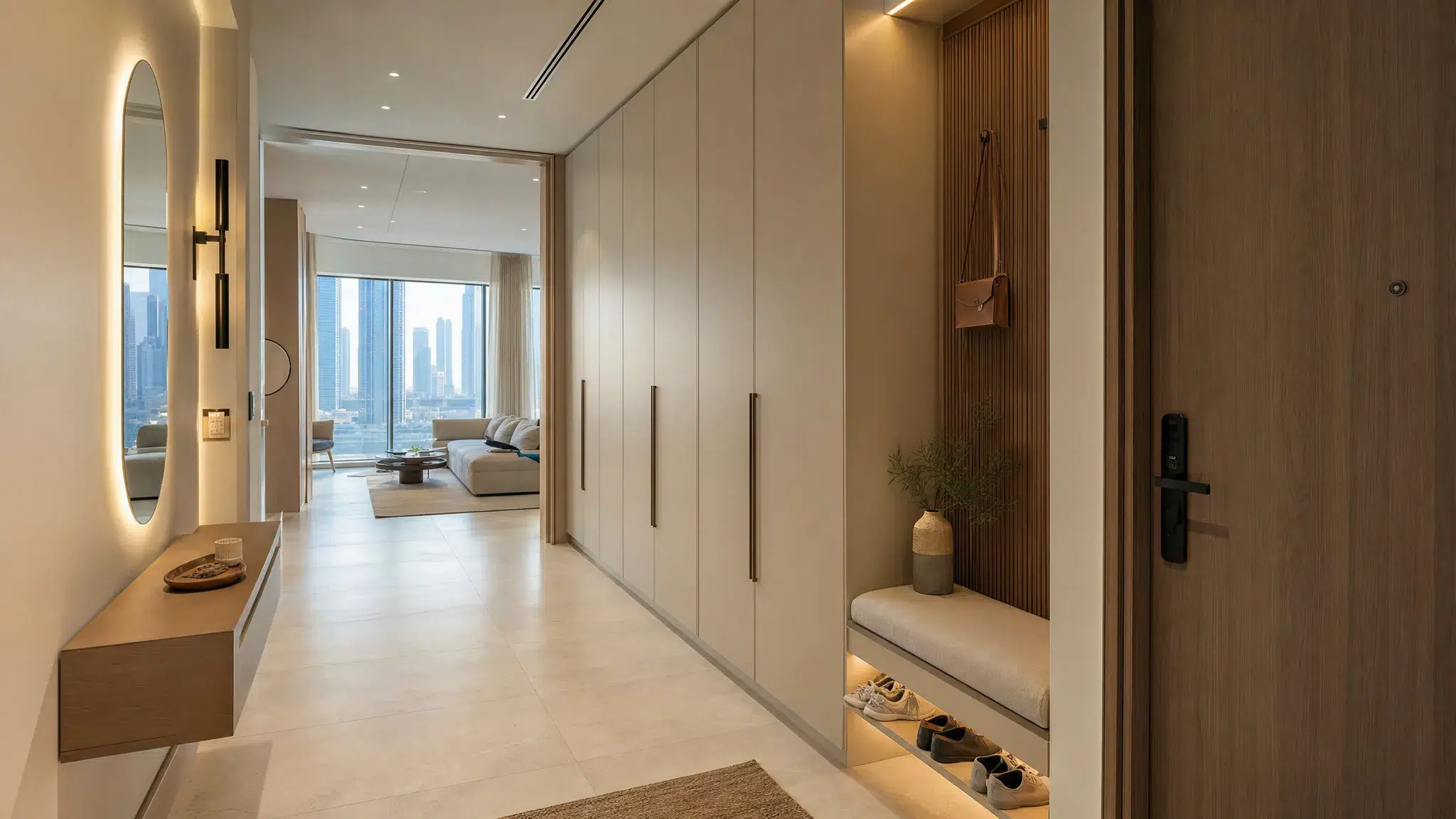
Good storage should be easy to access, not just large. If something is difficult to reach, heavy to move, or hidden behind other items, it is unlikely to stay organized.
Remodel High-Use Rooms Around Daily Routines
Some rooms affect daily comfort more than others. Kitchens, bathrooms, bedrooms, living rooms, and entry areas should be planned around routine first, then style.
Kitchen Function Comes From Zones
A practical kitchen is not only about cabinet color or countertop material. It depends on the relationship between preparation, cooking, washing, storage, and serving zones. When these zones are well planned, the kitchen feels more efficient and easier to clean.
Consider drawer storage for pots, pans, and everyday plates. Add landing space near appliances. Keep frequently used items close to where they are needed. Plan enough outlets for appliances, but avoid cluttering every wall with visible switches. If the kitchen is open to the living or dining area, ventilation and noise control become just as important as appearance.
For Dubai homes, kitchen remodeling should also account for heat, humidity, AC balance, and durable finishes. A premium-looking kitchen that cannot handle daily cooking will age quickly.
Bathrooms Need Dry, Safe, and Easy-Clean Design
A bathroom remodel should improve comfort, hygiene, and long-term reliability. Proper waterproofing, drainage slope, ventilation, and plumbing access are more important than decorative finishes because failures in these areas can become expensive later.
For better function, separate wet and dry zones where possible. Use recessed niches instead of loose shower shelves. Choose slip-resistant flooring for wet areas. Add layered lighting so the bathroom works for grooming, relaxing, and nighttime use. Wall-mounted vanities can make cleaning easier and visually open up compact bathrooms.
Bedrooms Should Support Rest and Organization
Bedrooms are often remodeled for appearance, but function depends on storage, lighting, acoustics, and comfort. Wardrobes should match clothing habits, not just wall dimensions. Bedside outlets, reading lights, blackout window treatments, and soft lighting can make the room more restful.
If space allows, consider a small dressing zone or a built-in vanity area. These features reduce clutter around the bed and make morning routines smoother.
Living Areas Need Flexible Comfort
Modern living rooms often serve several roles: relaxing, entertaining, watching TV, supervising children, reading, or working occasionally. A functional remodel should support these uses without making the room feel crowded.
Built-in media units can hide cables, provide storage, and create a cleaner focal point. If you add a media wall, plan ventilation around electronics and leave access for maintenance. Seating should match the size of the room and the number of people who use it regularly, not only the largest gathering you might host once a year.
Plan Electrical, Plumbing, AC, and Smart Systems Early
One of the biggest interior remodeling mistakes is finalizing finishes before technical planning. Electrical, plumbing, AC, lighting, data, and smart home systems should be planned before walls, ceilings, and cabinetry are completed.
A functional home needs outlets where devices are actually used. That may include kitchen appliance zones, bedside charging, study areas, dressing tables, robot vacuum stations, balcony lighting, outdoor outlets, and concealed media connections. In older homes, electrical capacity may also need review before adding high-demand appliances or new lighting systems.
Plumbing should be assessed before moving sinks, showers, washing machines, or dishwashers. Sometimes a small layout improvement is simple. Other times it requires drainage, waterproofing, or access changes that affect budget and timeline.
AC planning is especially important in Dubai. Ceiling changes, room partitions, enclosed balconies, or expanded living areas can affect airflow and cooling performance. A room may look better after remodeling but feel uncomfortable if air distribution is not considered.
Smart lighting, sensors, automated curtains, and integrated controls can improve convenience when planned well. For highly customized control systems or specialized hardware concepts, renovation teams may coordinate with technical partners such as power electronics and embedded system specialists to make sure the design is practical, safe, and reliable.
Use Layered Lighting to Improve Function
Lighting can completely change how a home works. Many homes rely on a single ceiling light in each room, which often creates glare, shadows, or uneven brightness. A functional remodel uses layers.
Ambient lighting provides general brightness. Task lighting supports specific activities such as cooking, reading, grooming, or working. Accent lighting highlights textures, artwork, shelves, or feature walls. When these layers work together, the home feels more comfortable and adaptable.
In kitchens, under-cabinet lighting improves preparation areas. In bathrooms, mirror lighting reduces shadows on the face. In bedrooms, warm bedside lighting creates a calmer mood. In living areas, dimmable lights help the same room shift from family time to entertaining.
Color temperature also matters. Warm white lighting is often more relaxing for bedrooms and living areas, while neutral white can work well in kitchens, bathrooms, and utility zones. The right choice depends on the room’s purpose and finishes.
Choose Materials That Make Maintenance Easier
A functional home should be easy to maintain. Some finishes look impressive when newly installed but show dust, fingerprints, scratches, or water marks quickly. In Dubai, material choices should consider heat, humidity, sand, sunlight, and frequent AC use.
For flooring, choose surfaces that suit the room’s traffic level. Porcelain tiles, quality vinyl, engineered wood, and natural stone can all work in the right setting, but each has different maintenance needs. For bathrooms and outdoor-adjacent areas, slip resistance and water performance should be prioritized.
For walls, washable paint, textured finishes, wall panels, or durable feature surfaces can refresh a room while improving practicality. In high-touch zones such as corridors, children’s rooms, and entryways, easy-clean finishes are often worth the investment.
For kitchens and bathrooms, prioritize moisture resistance, quality installation, and proper sealing. The most beautiful countertop or tile will not perform well if the substrate, waterproofing, or joint details are poorly executed.
Make Small Spaces Work Harder
Not every functional improvement requires a full structural renovation. In compact rooms and apartments, small design choices can have a large impact.
Use sliding or pocket doors where swing doors waste space. Replace bulky freestanding furniture with built-ins where appropriate. Add mirrors strategically to reflect light, but avoid placing them where they create glare. Choose furniture with exposed legs to make the floor feel more open. Use vertical wall space for storage instead of crowding the room with extra cabinets.
Multi-purpose rooms are increasingly valuable, especially for families who need guest space, work areas, play zones, or hobby corners. A guest bedroom can include a built-in desk. A hallway niche can become a compact workstation. A family room can include closed storage for toys and games so the space looks calm at the end of the day.
The goal is not to fill every wall with cabinetry. The goal is to give every item and activity a logical place.
Improve Privacy and Noise Control
Function is not only about storage and layout. A home also needs privacy, quiet, and comfort. This is especially important in open-plan interiors, shared family homes, apartments, and villas with large hard surfaces.
If noise travels easily, consider soft furnishings, rugs, curtains, acoustic wall treatments, and better door seals. If a home office is part of the remodel, locate it away from the busiest living zones where possible. If bedrooms face bright outdoor areas or street lights, plan blackout curtains or layered window treatments.
Glass partitions, fluted panels, sliding doors, and partial dividers can create separation without making spaces feel closed off. This can be useful between dining and living areas, home offices and bedrooms, or kitchens and family rooms.
Keep the Design Consistent From Room to Room
A functional home also feels visually organized. When every room uses a different color palette, flooring style, hardware finish, and lighting mood, the home can feel busy. Consistency helps interiors feel calmer and more spacious.
This does not mean every room should look identical. Instead, choose a clear design language. For example, you might use warm neutrals, matte black hardware, wood accents, soft stone textures, and warm lighting throughout the home. Individual rooms can still have personality, but the overall result feels connected.
Consistency is especially useful during phased remodeling. If you renovate one area now and another later, a design plan helps avoid mismatched finishes or repeated rework.
Prioritize Projects by Impact
If you cannot remodel everything at once, focus on the changes that improve daily living most. A useful approach is to prioritize upgrades that solve repeated frustrations, protect the property, or improve high-use areas.
| Priority level | Remodeling focus | Best for |
|---|---|---|
| High | Layout issues, MEP upgrades, waterproofing, AC performance | Homes with daily discomfort or technical problems |
| Medium | Kitchen storage, bathroom usability, built-in wardrobes, lighting | Homes that work but feel inefficient |
| Lower | Decorative wall finishes, feature panels, hardware changes | Homes with good function that need a style refresh |
This approach helps avoid spending heavily on cosmetic changes while ignoring issues that affect comfort every day.
Avoid Common Interior Remodeling Mistakes
Even well-intentioned renovations can reduce function if decisions are made too quickly. The most common mistake is choosing appearance over usability. A dramatic feature wall, oversized island, or statement bathtub may look impressive, but it should not compromise movement, maintenance, or storage.
Another mistake is buying furniture before the layout is finalized. Furniture dimensions affect circulation, outlet locations, lighting placement, and storage planning. If you purchase too early, the remodel may need to adapt around pieces that do not fit the best layout.
Homeowners also underestimate how much technical work sits behind clean interiors. Smooth walls, seamless cabinetry, hidden lighting, and open layouts often require careful electrical, plumbing, AC, and carpentry coordination. Skipping this planning stage can lead to delays, extra costs, and compromises on site.
Finally, avoid over-personalizing permanent elements if resale or rental value matters. Strong color choices are easy to change with paint or decor, but unusual tile patterns, niche built-ins, or highly specific layouts may limit future flexibility.
Work With a Team That Coordinates Design and Execution
Interior remodeling becomes much smoother when design ideas, technical requirements, material choices, and site execution are coordinated from the beginning. A good renovation team should help you understand what is possible, what needs approval, what affects the timeline, and where quality matters most.
For Dubai homes, this coordination is particularly important because apartments, villas, and communities may have different rules for working hours, access, waste removal, waterproofing, MEP changes, and building management approvals. Clear communication reduces surprises and helps keep the project moving.
When comparing renovation companies, look beyond attractive images. Ask how they plan the layout, handle technical inspections, coordinate trades, protect existing areas, communicate changes, and complete final snagging. The best results come from a balance of design taste, craftsmanship, and project management.
Frequently Asked Questions
What is the main goal of interior remodeling? The main goal is to improve how a home functions while also enhancing its appearance. A successful remodel makes daily routines easier, improves comfort, increases storage, supports better movement, and creates a more enjoyable living environment.
Which rooms should I remodel first for better functionality? Kitchens, bathrooms, bedrooms, and entry areas usually have the biggest impact on daily life. These spaces affect storage, hygiene, comfort, and routine, so improving them often makes the whole home feel more practical.
Can interior remodeling make a small home feel larger? Yes. Better layout planning, built-in storage, layered lighting, sliding doors, lighter finishes, and multi-purpose furniture can make a small home feel more spacious without increasing its physical size.
Do I need to upgrade electrical and plumbing during an interior remodel? It depends on the scope and condition of the property. If you are moving kitchens, bathrooms, appliances, lighting, or partitions, electrical and plumbing systems should be reviewed early to avoid costly changes later.
How can I keep my remodel functional and stylish? Start with lifestyle needs, then choose finishes that support those needs. Prioritize flow, storage, lighting, durability, and maintenance before selecting decorative details.
Create a Home That Works Better Every Day
A more functional home is not about adding more features. It is about making the right decisions in the right order. When layout, storage, lighting, materials, and technical systems are planned together, your home becomes easier to live in and more enjoyable to use.
Revo Craft Renovations helps homeowners and businesses in Dubai transform interiors with tailored renovation solutions, modern design, premium finishes, custom carpentry, electrical and plumbing upgrades, and careful project management. If you are planning an interior remodel, start with a personalized consultation and build a clear plan before work begins.
Contact Revo Craft Renovations to discuss how your home can become more functional, comfortable, and beautifully finished.