
A full home renovation in Dubai is not just a design project. It is a coordinated process involving lifestyle goals, building rules, approvals, technical upgrades, material choices, site logistics, and careful project management. When the planning is weak, even a beautiful design can lead to delays, budget stress, or finishes that do not suit Dubai’s climate and daily living needs.
The good news is that a well-planned renovation gives you far more control. Whether you are upgrading an apartment, modernizing a townhouse, refreshing a villa, or transforming a dated property before moving in, the right plan helps you make confident decisions before demolition begins.
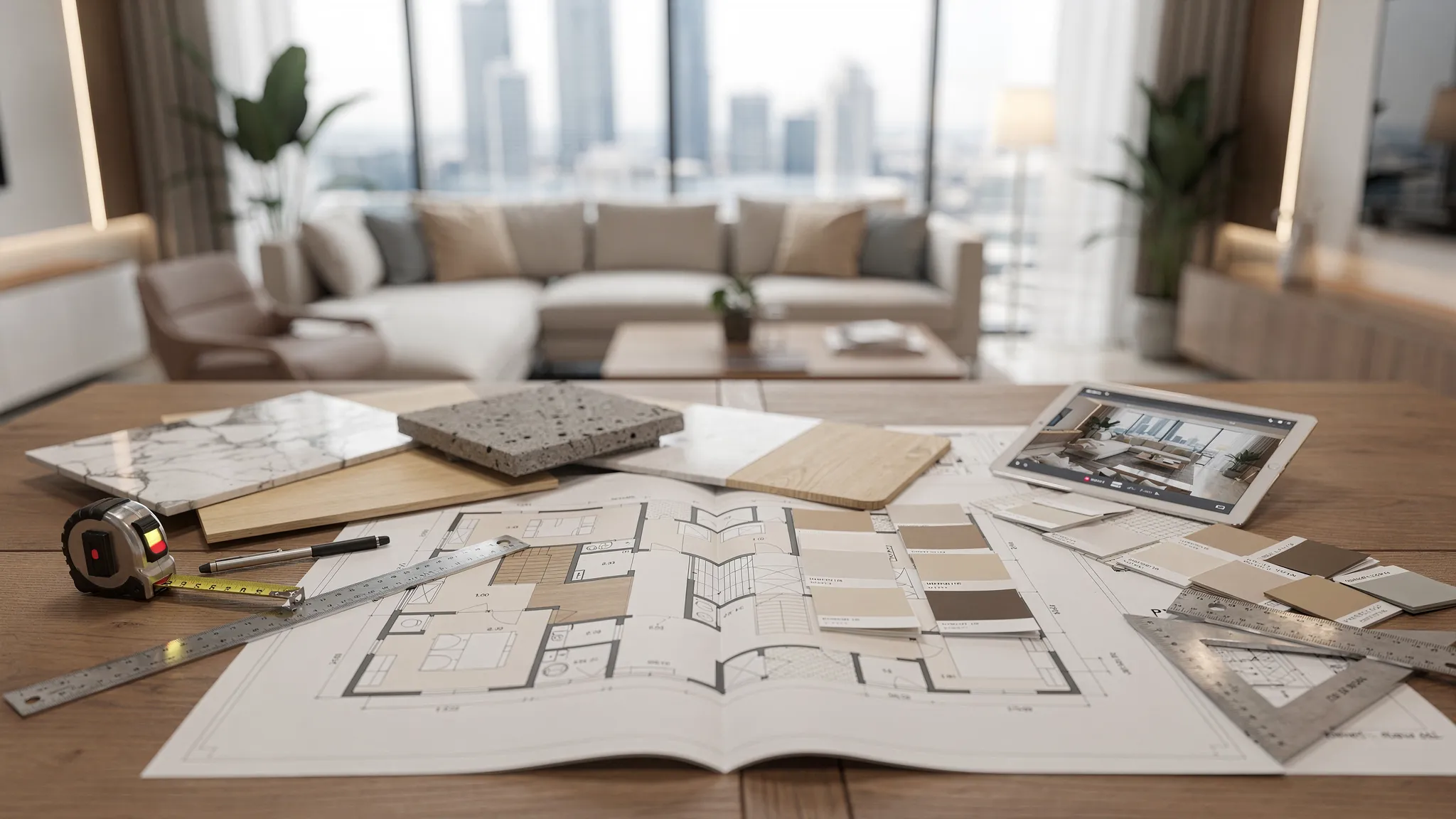
Start With the Purpose of the Renovation
Before choosing tiles, cabinetry, lighting, or wall finishes, define why you are renovating. This is the foundation of effective home renovation planning because every later decision should support your main goal.
Some homeowners renovate to create a more comfortable family home. Others want a luxury rental-ready property, a better kitchen layout, more storage, a modern open-plan feel, or upgraded electrical and plumbing systems. In Dubai, many renovations are also driven by property age, outdated finishes, water damage, poor lighting, inefficient space planning, or a desire to match a more contemporary interior style.
Your goals should be specific. Instead of saying, “I want a modern home,” clarify what modern means in your daily routine. Do you want brighter spaces, easier cleaning, better cooling, hidden storage, a larger kitchen island, a spa-style bathroom, acoustic privacy, or a more impressive entrance?
A useful starting point is to separate your goals into three categories: must-have improvements, nice-to-have upgrades, and future-phase ideas. This prevents the project from expanding without control and helps your renovation team prioritize budget and time.
Audit the Entire Home Before Setting the Scope
A full home renovation should begin with a detailed site assessment. Looking only at visible finishes can be misleading. Many Dubai homes look acceptable on the surface while hiding issues behind walls, ceilings, flooring, or old joinery.
A professional site survey should review the layout, existing finishes, plumbing condition, electrical points, AC coordination, ceiling levels, drainage, waterproofing, wall alignment, doors, windows, built-in storage, and the condition of kitchens and bathrooms. In apartments, access routes, service shafts, building management rules, lift protection, and working hours also matter.
This audit helps determine whether your project is cosmetic, technical, or structural in nature.
| Renovation level | What it usually includes | Planning priority |
|---|---|---|
| Cosmetic refresh | Paint, wall finishes, lighting updates, minor carpentry, fixture replacement | Style consistency and fast execution |
| Partial renovation | Kitchen, bathrooms, flooring, wardrobes, selected MEP changes | Coordination between trades and finish matching |
| Full home renovation | Layout changes, MEP upgrades, full finishes, ceilings, joinery, kitchens, bathrooms | Approvals, detailed drawings, budget control, project management |
For full renovations, do not finalize your budget from photos alone. A site visit and technical review are essential because hidden conditions can change the scope.
Understand Dubai Approvals and Building Rules Early
One of the biggest mistakes homeowners make is planning the design first and checking approvals later. In Dubai, renovation rules vary depending on the property type, location, developer, building management, and the nature of the work.
Apartment renovations may require approval from building management, a no-objection certificate, work permits, contractor documents, security deposits, elevator booking, noise-hour compliance, and protection of common areas. Villa renovations may involve community or developer approvals, especially if changes affect external elevations, boundary areas, MEP systems, extensions, or structural elements.
Depending on the project, relevant authorities may include Dubai Municipality, community developers, free zone authorities, Trakhees, Dubai Development Authority, or building-specific facility management teams. For utility-related work, coordination with providers such as DEWA may be needed if electrical load, meters, or supply connections are affected.
The safest approach is simple: identify approval requirements before work starts. Dubai Municipality and local regulatory bodies set important standards for construction safety, and community rules can be strict about working hours, waste removal, contractor access, and modifications. You can refer to Dubai Municipality for general municipal guidance, but your contractor should also verify requirements specific to your property.
Starting demolition before approval can lead to fines, delays, site shutdowns, or forced reinstatement. A reliable renovation company will help you understand the approval path and prepare the required technical documents where applicable.
Build a Detailed Renovation Brief
Your renovation brief is the document that translates ideas into actionable instructions. It does not need to be overly complicated, but it should be clear enough that your designer, contractor, and suppliers are aligned.
A good brief usually includes your preferred style, room-by-room requirements, storage needs, must-keep items, materials you like, finishes you dislike, appliance requirements, smart home preferences, lighting expectations, and any lifestyle factors that affect the design.
For example, a family with young children may prioritize durable flooring, soft-close joinery, stain-resistant surfaces, and safer bathroom layouts. A couple renovating a Downtown Dubai apartment for rental may prioritize premium-looking finishes, low-maintenance materials, and a neutral design with broad appeal. A villa owner may care more about entertaining spaces, custom carpentry, majlis upgrades, and indoor-outdoor flow.
The more specific the brief, the fewer assumptions your contractor has to make.
Set a Realistic Budget With a Contingency
Renovation costs in Dubai vary widely based on property size, current condition, design complexity, material selection, MEP upgrades, joinery volume, and approval requirements. A full home renovation should never be planned using a single rough figure without a defined scope.
Instead, break the budget into categories. This makes it easier to see where money is going and where adjustments can be made without compromising the entire result.
| Budget category | Examples of items included | Why it matters |
|---|---|---|
| Design and planning | Layouts, drawings, finish schedules, consultations | Reduces mistakes before site work starts |
| Approvals and site preparation | Permits, NOCs, access arrangements, protection works | Prevents compliance and building access issues |
| Civil and MEP works | Demolition, electrical, plumbing, ceilings, waterproofing | Affects safety, performance, and long-term durability |
| Finishes | Flooring, tiles, paint, wall treatments, sanitaryware, lighting | Creates the visible look and feel of the home |
| Carpentry and joinery | Wardrobes, kitchen cabinets, TV units, vanities, storage | Often has a major impact on function and style |
| Contingency | Hidden repairs, scope refinements, unexpected site issues | Protects the project from financial stress |
A contingency of around 10% to 20% is commonly recommended for renovation projects, especially when older properties or extensive MEP work are involved. This does not mean you should spend it automatically. It simply gives you a buffer if hidden issues appear after demolition.
Be cautious with quotes that seem unusually low. They may exclude approvals, disposal, protection, waterproofing, MEP upgrades, detailed joinery, or proper finishing. A transparent quotation should clearly explain what is included, what is excluded, and what is provisional.
Finalize the Design Before Construction Begins
Design changes during construction are one of the most common causes of delays and budget increases. Before work starts, aim to finalize the main design package.
This should include space planning, furniture layout, flooring direction, lighting layout, reflected ceiling plans, electrical point locations, plumbing changes, kitchen drawings, bathroom layouts, joinery drawings, material selections, paint colors, hardware, and appliance dimensions.
In Dubai homes, ceiling and lighting coordination is especially important because AC ducts, access panels, sprinklers, smoke detectors, and building services can limit what is possible. A beautiful ceiling design that ignores maintenance access can become a long-term problem.
For kitchens, confirm appliance sizes, socket positions, water points, ventilation, cabinet clearances, worktop material, storage style, and movement flow. For bathrooms, confirm waterproofing scope, drainage slopes, shower glass dimensions, vanity storage, mirror lighting, exhaust ventilation, and tile layout.
The goal is not to remove all flexibility. It is to make major decisions early so the site team can work efficiently and accurately.
Prioritize Electrical, Plumbing, Waterproofing, and AC Coordination
Premium finishes only perform well when the technical work behind them is correct. In a full renovation, the hidden systems deserve as much attention as the visible design.
Electrical planning should consider current lifestyle needs. Modern homes often require more charging points, kitchen appliance circuits, work-from-home setups, lighting controls, outdoor sockets, and provisions for smart devices. Any upgrades should be handled by qualified professionals and aligned with applicable rules.
Plumbing planning is equally important, especially in kitchens, bathrooms, laundry areas, and maid’s rooms. Poor plumbing decisions can lead to leaks, low water pressure, drainage smells, or future maintenance problems. Waterproofing is critical in wet areas and should never be treated as a place to cut costs.
AC coordination matters because Dubai’s heat places high demand on cooling systems. Renovation work that changes room layouts, ceilings, partitions, or glass exposure can affect airflow and comfort. Before closing ceilings or walls, ensure access panels, ducts, vents, and maintenance points are properly considered.
Choose Materials That Suit Dubai Living
Dubai homes face heat, humidity, dust, frequent AC use, and in some communities, strong sun exposure. Material choices should balance aesthetics with durability.
Natural stone, porcelain, engineered surfaces, moisture-resistant boards, quality laminates, washable paints, durable hardware, and well-sealed joinery can all perform well when specified and installed correctly. The right choice depends on the room, usage level, budget, and desired style.
For example, a high-use family kitchen needs durable worktops, easy-clean cabinet finishes, strong hinges, practical lighting, and good ventilation. A guest bathroom can use more decorative finishes, but it still needs proper waterproofing and slip-conscious flooring. Bedrooms benefit from smart wardrobe planning, soft lighting, acoustic comfort, and finishes that feel calm rather than overdesigned.
Ask your renovation team to explain not only how a material looks, but how it behaves over time. Maintenance, stain resistance, moisture tolerance, repairability, and availability of matching materials are all important.
Select the Right Renovation Contractor
A full home renovation requires more than individual trades. It requires coordination between designers, carpenters, electricians, plumbers, tilers, painters, ceiling specialists, suppliers, building management, and sometimes approval authorities.
When comparing contractors, look beyond the lowest quote. Review their experience with similar Dubai properties, communication style, site supervision, documentation, project management process, and ability to coordinate technical work with finishes.
Important questions to ask include:
- Have you completed similar full home renovations in Dubai?
- What is included and excluded in the quotation?
- Who will supervise the site daily?
- How do you handle approvals and building management coordination?
- How are design changes documented and priced?
- What is the expected timeline and what could affect it?
- How do you manage snagging and handover?
A strong contractor should be able to explain the process clearly, not just promise a beautiful result.
Create a Practical Renovation Timeline
Timelines depend on property size, approval speed, material availability, design complexity, and whether custom joinery is involved. A small apartment renovation may move faster than a large villa transformation, but every full renovation benefits from a structured schedule.
| Phase | What happens | Key homeowner decision |
|---|---|---|
| Planning and consultation | Goals, site visit, scope definition, initial budget | Confirm priorities and must-have outcomes |
| Design development | Layouts, finishes, joinery concepts, technical coordination | Approve design direction and material palette |
| Approvals and procurement | NOCs, permits, supplier orders, schedule preparation | Confirm final selections before ordering |
| Site execution | Demolition, MEP, ceilings, flooring, tiling, carpentry, painting | Respond quickly to site queries |
| Finishing and snagging | Fixtures, touch-ups, testing, cleaning, final checks | Review quality and approve corrections |
| Handover | Documentation, care guidance, final walkthrough | Confirm completion and understand maintenance |
The best timelines include decision deadlines. If tiles, sanitaryware, appliances, or hardware are selected late, the site may slow down. Imported materials, custom items, and community approvals can also affect the schedule.
If you plan to move in by a specific date, work backward and leave buffer time. Renovations often involve dependencies, which means one delayed decision can affect several trades.
Plan Where You Will Live During the Renovation
For a full home renovation, moving out is often the most practical option. Demolition, dust, noise, wet works, disconnected services, and restricted access can make living on site uncomfortable and unsafe.
If you must stay in the property, the renovation should be phased carefully. This may mean completing bedrooms first, keeping one bathroom functional, isolating dusty areas, and creating clear access routes. However, phasing can increase the total duration because trades cannot work everywhere at once.
Apartment owners should also plan for building logistics. Lift bookings, service elevator access, contractor passes, parking, delivery timings, waste removal, and common-area protection can affect daily progress. In villas, access for materials, waste skips, outdoor works, neighbor considerations, and community rules should be planned in advance.
Manage Communication During the Project
Clear communication is one of the simplest ways to keep a renovation under control. Agree on who your main point of contact is, how often updates will be shared, and how decisions will be approved.
For larger renovations, weekly progress updates are useful. These can cover completed work, upcoming tasks, decisions needed, material deliveries, site issues, and any changes to timeline or cost. Photo updates can also help homeowners who are traveling or not living near the property.
Changes should always be documented. If you decide to upgrade a finish, add sockets, change tile patterns, or modify joinery, ask for confirmation of cost and time impact before work proceeds. This keeps the relationship transparent and avoids disputes later.
Do a Careful Handover and Snagging Review
The final stage of a renovation is not just cleaning the property and handing over keys. A proper handover confirms that the home is functional, safe, and finished to the agreed standard.
During snagging, inspect walls, paint, tile alignment, grout, silicone, doors, cabinet gaps, hinges, handles, lighting, sockets, drainage, water pressure, shower glass, mirrors, appliances, AC vents, and access panels. Test everything. Open every drawer, switch every light, run taps, check drainage, inspect corners, and review built-in storage.
A good handover should also explain care instructions for surfaces, hardware, joinery, sanitaryware, and special finishes. Keep records of product details, warranties where available, maintenance notes, and any approved drawings that may help with future repairs.
Common Planning Mistakes to Avoid
Many renovation problems begin before site work starts. Avoiding these mistakes can protect your budget and reduce stress.
- Starting demolition before approvals are confirmed
- Choosing finishes before finalizing layout and technical requirements
- Underestimating electrical, plumbing, waterproofing, and AC coordination
- Comparing contractor quotes without checking inclusions and exclusions
- Making too many design changes after procurement begins
- Forgetting building access rules, lift bookings, and working-hour restrictions
- Spending heavily on visible finishes while ignoring hidden systems
- Not keeping a contingency for unexpected site conditions
The best renovations feel smooth because the difficult decisions were made early, not because the project had no challenges.
Frequently Asked Questions
How long does a full home renovation in Dubai take? The timeline depends on property size, approval requirements, scope, material availability, and custom work. A complete renovation can take several weeks to several months, so it is best to plan after a site survey and detailed scope review.
Do I need approval for a home renovation in Dubai? In many cases, yes. Requirements depend on whether the property is an apartment, villa, townhouse, or commercial unit, as well as the community, developer, building management, and type of work. Always confirm approvals before starting demolition.
What should I plan first in a full renovation? Start with goals, site assessment, scope, budget, and approval requirements. Design selections should come after you understand technical limitations, building rules, and the level of work required.
Can I live in my home during a full renovation? It may be possible for phased work, but full renovations often involve dust, noise, disconnected services, wet works, and restricted access. Moving out usually allows faster and safer execution.
How do I control renovation costs? Define the scope clearly, finalize designs before construction, compare detailed quotations, avoid frequent changes, choose materials early, and keep a contingency for hidden issues. Transparent communication with your contractor is essential.
Plan Your Dubai Home Renovation With Confidence
A successful full home renovation in Dubai depends on much more than selecting attractive finishes. It requires careful planning, approval awareness, technical coordination, durable materials, skilled workmanship, and consistent project management.
Revo Craft Renovations provides bespoke home renovation, kitchen remodeling, interior design and styling, wall finishing, electrical and plumbing upgrades, custom carpentry and joinery, and project management services for homes and businesses in Dubai. If you are preparing to renovate, a personalized design consultation can help you clarify your scope, budget, timeline, and next steps.
Contact Revo Craft Renovations to start planning a renovation that enhances comfort, style, and functionality with expert craftsmanship and clear communication.