
You do not have to leave a home to feel like you have started over. Often, the real problem is not the address. It is a layout that no longer fits your routines, finishes that feel dated, lighting that makes rooms feel flat or storage that never quite keeps up with daily life.
That is where home refurbishing becomes useful. For Dubai homeowners, it can offer the feeling of a new home without the disruption of moving, changing communities or giving up a location that already works for work, school and lifestyle. The right refurbishment does more than refresh surfaces. It changes how the home supports you each day.
What home refurbishing can change when moving is not the answer
Home refurbishing sits between simple redecorating and a full structural renovation. It usually focuses on targeted improvements: better finishes, smarter room function, refreshed walls, upgraded lighting, improved storage, repaired services and selected custom details.
The goal is not to replace everything. The goal is to identify what makes the home feel tired or inconvenient, then correct those issues with thoughtful upgrades.
| What feels wrong at home | Refurbishing move | Why it feels like a fresh start |
|---|---|---|
| Rooms feel dark or heavy | Layered lighting, lighter finishes and better window treatment choices | The same space feels brighter and more open |
| Storage never works | Built-in wardrobes, concealed cabinets and better kitchen organization | Daily clutter becomes easier to control |
| The kitchen feels awkward | Improved work zones, better cabinet access and updated surfaces | Cooking and hosting become smoother |
| Walls look flat or worn | Textured finishes, repainting or feature wall treatments | The home gains character without major construction |
| Bathrooms feel dated | New fixtures, mirrors, lighting, vanity storage and improved waterproofing where needed | Small spaces feel cleaner and more premium |
A good refurbishment begins with priorities, not Pinterest boards. Beautiful inspiration helps, but the best results come from understanding what your household actually needs.
Start with the life you want your home to support
Before choosing tiles or paint colors, walk through your home at different times of day. Notice where you pause, where clutter gathers, where people bump into each other and which spaces you avoid. These patterns show you where refurbishment will have the greatest effect.
Ask yourself:
- Which room frustrates me most on a normal weekday?
- Where does clutter appear even after cleaning?
- Which areas feel too dark, noisy or visually busy?
- What do we do at home now that we did not do when we first moved in?
- Which finishes are damaged rather than simply out of style?
- What would make staying in this home feel exciting again?
This simple audit prevents overspending on cosmetic upgrades that do not solve the real problem. A new sofa may help a living room look different, but if the lighting is poor and the TV wall has no storage, the room may still feel unfinished.
Give each daily zone a clearer job
A home starts to feel old when rooms lose purpose. Refurbishing is a chance to give each area a defined role, especially in open-plan apartments and villas where living, dining and work zones often overlap.
Living room: create zones without making it crowded
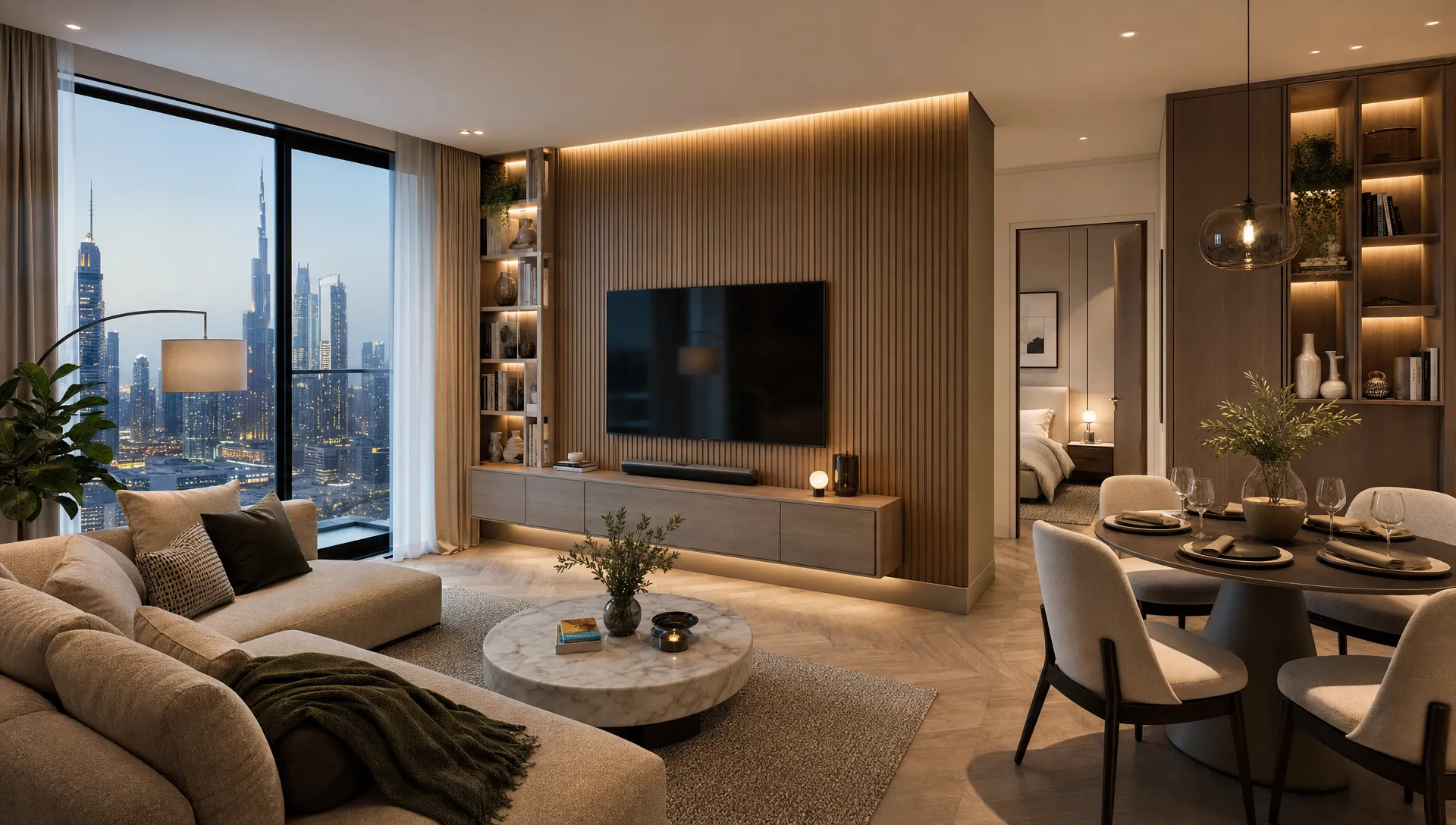
The living room is usually the first place to refurbish because it affects the whole mood of the home. You can make it feel new by improving lighting, simplifying the color palette and adding one strong focal point such as a textured TV wall, custom media unit or refined shelving.
Instead of filling the room with more furniture, consider whether the existing layout supports conversation, relaxation and storage. A slim built-in media wall can hide cables, reduce visual clutter and make the room feel more intentional. Wall finishes also matter. Limewash-inspired textures, soft neutrals, fluted panels or stone-effect surfaces can add depth without overwhelming the space.
Kitchen: improve flow before replacing everything
A kitchen refurbishment does not always require a full layout change. Many homes can feel dramatically better with new cabinet fronts, upgraded worktops, improved task lighting, better internal storage and a clearer appliance plan.
Start with workflow. The sink, hob, fridge and preparation zones should feel natural to use. If the layout is mostly functional, keep it and invest in what you touch and see every day: handles, hinges, drawers, splashbacks, lighting and surfaces. If storage is the bigger issue, deep drawers, pull-out pantry sections and corner solutions can make the kitchen feel larger without moving walls.
For a deeper look at improving kitchen usability, Revo Craft Renovations has a helpful guide on kitchen home remodeling ideas for better flow and storage.
Bedrooms: make calm feel built in
A bedroom refurbishment should focus less on decoration and more on calm. That usually means better wardrobes, softer lighting, cleaner bedside storage and a more restful wall behind the bed.
Custom joinery can make a major difference here. A full-height wardrobe, integrated dressing table or upholstered headboard wall with side niches can remove the need for several separate furniture pieces. The room then feels quieter because fewer items compete for attention.
Bathrooms and powder rooms: refresh what sets the tone
Bathrooms often age faster than other rooms because fittings, grout, mirrors and lighting show wear quickly. If plumbing is sound, a focused refurbishment may include new mixers, a modern vanity, updated mirrors, wall-mounted storage, improved lighting and fresh wall or floor finishes.
In compact bathrooms, the best results come from visual discipline. Choose fewer materials, repeat the same metal finish and avoid bulky cabinets. Even a powder room can feel premium with a textured wall finish, elegant basin, better mirror lighting and concealed storage.
Make the home feel bigger without adding square meters
A fresh start often comes from space that feels easier to move through. You may not need a larger home. You may need better circulation, cleaner sightlines and fewer disconnected design choices.
Consistent flooring between main areas can make an apartment feel wider. Replacing heavy partitions with lighter visual divisions, where suitable, can improve flow. Built-in storage helps because it uses wall space more efficiently than freestanding cabinets. Mirrors can also help, but they work best when they reflect light or a pleasant view, not clutter.
Small transitions matter too. A narrow entrance can become more useful with a floating console, concealed shoe storage and warm wall lights. A hallway can feel less like wasted space with slim cabinets or a gallery wall. A balcony can become an extension of the living area when the flooring, lighting and furniture palette relate to the interior.
Refresh the materials people touch and see
The most successful home refurbishing ideas focus on surfaces that shape daily experience. These are the finishes you notice every morning, clean every week and touch constantly.
Walls are the quickest mood-changer. A fresh paint scheme can make the home feel lighter, but the finish quality matters. In high-use areas, washable paints or durable wall treatments are more practical. For feature areas, textured finishes can add character without the cost or complexity of major structural work.
Cabinetry is another high-impact area. If the cabinet boxes are in good condition, replacing doors, handles and hinges can create a new look with less disruption than a full rebuild. The same applies to wardrobes, laundry cabinets and bathroom vanities.
Flooring deserves careful thought because it connects the whole home. Large-format tiles, engineered wood finishes and quality vinyl or laminate options can each work depending on lifestyle, building rules and budget. The key is choosing a surface that fits how you live, not just how it looks in a sample.
Hardware is small but powerful. Door handles, cabinet pulls, towel rails, switch plates and tapware can quietly elevate a home when they follow one clear finish direction. Mixing too many metals or styles can make even new upgrades feel accidental.
Upgrade hidden systems that affect comfort every day
Fresh paint will not solve overloaded sockets, weak water pressure or poor lighting control. If you want your home to feel genuinely renewed, include the less visible systems in your plan.
Electrical upgrades may involve adding outlets where you actually charge devices, improving lighting circuits, introducing dimmers or updating old fittings. Plumbing upgrades may include replacing worn mixers, improving under-sink connections, adjusting drainage issues or preparing services for a new vanity or kitchen layout.
These upgrades should be handled by qualified professionals, with building management or authority requirements considered where relevant. They are not always glamorous, but they prevent the frustration of finishing a beautiful room and discovering it still does not function well.
Use custom carpentry to avoid moving for storage
Many people think they need a larger home when they really need more intentional storage. Custom carpentry and joinery can turn awkward corners, unused walls and dead spaces into practical parts of the home.
Good places to consider custom storage include entryways, under-stair areas in villas, bedroom walls, laundry niches, TV walls, study corners and dining areas. The best designs look built in rather than added on. They match the room proportions, hide everyday items and support routines without making the space feel packed.
A custom desk can make remote work easier without taking over a bedroom. A built-in bench with shoe storage can make the entrance calmer. A floor-to-ceiling wardrobe can replace multiple mismatched storage pieces. These changes may seem simple, but they can make staying in the same home feel practical again.
Plan your refurbishment in phases if needed
Not every home needs to be refurbished at once. In fact, phasing the work can help you make better decisions, especially if you are balancing budget, family routines or business operations.
If you want a more tailored look without renovating everything at the same time, this guide to home remodeling on a budget that still feels custom offers practical ways to prioritize visible upgrades.
| Phase | Best focus | Why it works |
|---|---|---|
| Phase 1 | Decluttering, repainting, lighting improvements and minor repairs | Creates an immediate lift and reveals what still needs work |
| Phase 2 | Kitchen fronts, wardrobes, wall finishes and hardware | Improves the spaces you use most without changing the whole layout |
| Phase 3 | Bathrooms, electrical upgrades, plumbing upgrades and custom carpentry | Adds lasting comfort, function and value |
| Phase 4 | Flooring, full room redesigns and larger layout adjustments | Best done once the direction and budget are clear |
A phased plan only works when the end vision is decided early. Otherwise, each phase may look good on its own but fail to connect with the next one. Choose a material palette, lighting temperature, metal finish and storage approach before the first order is placed.
Dubai-specific details to consider
Refurbishing in Dubai comes with practical considerations that can affect timing and scope. Apartment buildings may have work-hour rules, elevator protection requirements and approval steps through building management. Villas may involve more flexibility, but service routes, outdoor dust, waterproofing and access still need careful planning.
Climate also influences material choices. Strong sunlight can affect fabrics and some finishes, so window treatments and durable surfaces matter. Air-conditioned interiors need materials that handle daily use, cleaning and temperature changes well. Kitchens and bathrooms should be planned with moisture resistance, ventilation and proper installation quality in mind.
Good project management makes these details easier to handle. A clear scope, realistic schedule, confirmed materials and transparent communication reduce delays and help the finished result match the agreed design.
When refurbishing is better than moving
Moving can make sense when the location, size or building no longer works at all. But if you like your community, commute and basic floor plan, refurbishment may solve the real issues with less disruption.
| Refurbish if… | Consider moving if… |
|---|---|
| You like the location but dislike the current look | The location no longer supports your daily life |
| The layout mostly works but needs smarter storage | The home is too small even after better planning |
| Finishes are dated but the structure is sound | Major structural limits prevent the changes you need |
| You want more comfort, style and function | You need a different community, school route or property type |
| You prefer improving what you own or rent long term | The cost and disruption of changes outweigh the benefit |
The decision becomes easier when you compare the emotional cost of moving with the practical value of upgrading. If most of your frustrations are fixable inside the home, refurbishing can be a more satisfying path.
Frequently Asked Questions
What is the difference between home refurbishing and renovation? Home refurbishing usually focuses on refreshing and improving an existing space through finishes, repairs, lighting, storage and selected upgrades. Renovation can be broader and may include larger layout changes, structural work or full room rebuilds.
Is home refurbishing cheaper than moving in Dubai? It depends on the scope, property type and condition of the home. However, targeted refurbishing can often solve daily frustrations without the costs, disruption and lifestyle changes that come with moving.
Which room should I refurbish first? Start with the room that affects your daily routine the most. For many homeowners, that is the kitchen, living room or main bedroom. If the home has maintenance issues, address electrical, plumbing or waterproofing concerns before cosmetic upgrades.
Can I refurbish a home without changing the layout? Yes. Many homes can feel completely different with improved lighting, new wall finishes, cabinet upgrades, better storage, modern hardware and custom joinery. A layout change is only necessary when the existing flow causes repeated problems.
How do I make a refurbished home feel cohesive? Choose a consistent palette for flooring, walls, metals, lighting temperature and cabinetry. Repeating materials in different rooms helps the home feel designed as one complete space rather than a collection of separate upgrades.
Ready to make your current home feel new again?
A fresh start does not always require a new address. With the right design decisions, quality finishes and careful project management, your existing home can become more comfortable, functional and personal.
Revo Craft Renovations provides bespoke renovation and interior transformation services for homes and businesses in Dubai, including home renovation, kitchen remodeling, interior styling, wall finishing, electrical and plumbing upgrades, custom carpentry and joinery. If you are ready to rethink your space without moving, start with a personalized design consultation and turn the home you already have into the one you actually want to live in.