
Remodeling construction can feel overwhelming because it combines design decisions, technical upgrades, budgeting, scheduling, approvals, and daily disruption. For homeowners, the key is understanding what actually happens before anyone starts removing tiles or opening walls.
At its simplest, remodeling construction is the process of changing how a space works and feels, not just making it look newer. It may include reconfiguring layouts, upgrading electrical and plumbing systems, replacing finishes, building custom storage, improving lighting, and coordinating trades so the final result is safe, functional, and cohesive.
For Dubai homeowners, the stakes are especially high. Apartments, villas, and townhouses often come with building rules, community guidelines, material restrictions, service access limits, and approval requirements. A good remodeling plan helps you avoid delays, budget surprises, and finishes that look beautiful on day one but fail under everyday use.
What remodeling construction really means
Many homeowners use the words renovation, remodeling, and construction interchangeably. They are related, but they are not exactly the same.
A renovation usually restores or refreshes an existing space. Think repainting walls, replacing flooring, updating cabinets, or changing bathroom fixtures without altering the way the room functions. Remodeling goes further. It changes the layout, flow, or purpose of a space. Construction is the technical execution that makes those changes real, from demolition and MEP work to carpentry, tiling, painting, and finishing.
| Term | What it usually means | Example |
|---|---|---|
| Renovation | Refreshing or repairing an existing space | Repainting, replacing tiles, updating fixtures |
| Remodeling | Changing function, layout, or use | Opening a kitchen, adding storage, reworking a bathroom layout |
| Construction | Physical building and installation work | Partitioning, MEP upgrades, joinery, flooring, finishing |
This is why a remodeling project needs more coordination than a cosmetic update. If you move a sink, add lighting points, remove a partition, or build custom joinery, several trades must work in the right sequence. Homeowners who want a broader view of what professional execution includes can explore how construction and remodeling services for modern spaces bring planning, technical work, and finishes together.
When remodeling makes sense
Remodeling is worth considering when your home no longer supports the way you live. Maybe the kitchen feels disconnected from the dining area, the bathroom lacks storage, the lighting makes rooms feel smaller, or a spare room needs to become a home office. In these cases, simply changing paint colors may not solve the real problem.
A remodel also makes sense when aging systems are hidden behind tired finishes. For example, a bathroom may need new waterproofing, plumbing checks, improved ventilation, and safer electrical planning before new tiles are installed. A kitchen may need better socket placement, task lighting, durable counters, and cabinetry that matches your cooking habits.
In Dubai, remodeling can be especially valuable when you want to modernize an older apartment or villa without moving. Many properties have generous layouts but outdated finishes, inefficient lighting, bulky partitions, or storage that does not match modern living. A thoughtful remodel can improve comfort while preserving the location and structure you already like.
The main stages of a remodeling construction project
A successful project is not just about hiring workers and choosing materials. It follows a sequence. Skipping steps often leads to rework, delays, or decisions made under pressure.
- Initial consultation: The homeowner explains goals, pain points, lifestyle needs, preferred style, and must-have improvements.
- Site assessment: The contractor checks measurements, existing services, walls, flooring levels, plumbing routes, electrical points, moisture issues, and access constraints.
- Scope definition: The team clarifies exactly what will be changed, what will remain, what materials are expected, and which trades are required.
- Design and material selection: Layouts, finishes, lighting, sanitaryware, cabinetry, hardware, and color palettes are selected before procurement begins.
- Approvals and building coordination: Depending on the property, the project may require community approvals, building management permissions, work permits, or NOCs.
- Construction execution: Demolition, MEP work, carpentry, tiling, painting, installation, and finishing happen in a planned sequence.
- Inspection and handover: The finished work is checked, snags are addressed, and the homeowner receives guidance on care and maintenance.
The most important point is that each stage affects the next. A vague scope leads to unclear pricing. Late material decisions delay installation. Unplanned electrical changes can damage fresh finishes. Good remodeling construction is built on decisions made early, documented clearly, and communicated consistently.
What homeowners should decide before work starts
Before construction begins, homeowners should be clear about the purpose of the remodel. A home designed for short-term rental may need durable finishes and broad appeal. A family home may prioritize storage, easy cleaning, safety, and flexible spaces. A luxury upgrade may focus on premium materials, custom joinery, lighting layers, and refined detailing.
Your design brief does not need to be technical, but it should be specific. Instead of saying “make it modern,” describe what modern means to you. Do you prefer warm minimalism, hotel-inspired luxury, natural textures, bold contrast, or a calm neutral palette? Do you want open entertaining areas, hidden storage, brighter rooms, or easier maintenance?
Visual references help, especially when they communicate atmosphere rather than copying a room exactly. Inspiration can come from interiors, hospitality spaces, travel, or even visual storytelling. For example, the intimate and cinematic approach of Stories by DJ shows how mood, movement, and personal narrative can shape the way a meaningful space or life moment is captured, which is a useful mindset when building a renovation brief around how you want your home to feel.
It is also wise to define your non-negotiables early. These might include keeping a certain floor finish, completing work before a move-in date, improving storage, using low-maintenance materials, or limiting noisy work to approved hours. Clear priorities help your contractor make better recommendations when trade-offs appear.
For a deeper planning checklist specific to the local market, homeowners can review these house renovation planning tips for Dubai homeowners before finalizing a scope.
Common remodeling construction scopes in homes
Every project is different, but most home remodels combine design upgrades with technical improvements. The best results happen when both are considered together. A beautiful bathroom can still fail if waterproofing is poor. A stylish kitchen can still frustrate you if outlets, lighting, and storage are badly planned.
| Area | Common remodeling work | Why it matters |
|---|---|---|
| Kitchen | Layout changes, cabinetry, counters, lighting, plumbing, appliances | Improves workflow, storage, safety, and daily convenience |
| Bathroom | Waterproofing, tiles, sanitaryware, lighting, ventilation, storage | Protects the property while improving comfort and hygiene |
| Living areas | Flooring, wall finishes, lighting, feature walls, ceiling details | Creates a cohesive and more comfortable main space |
| Bedrooms | Wardrobes, flooring, lighting, wall finishes, acoustic improvements | Supports better storage, comfort, and rest |
| Whole home | Electrical upgrades, plumbing checks, painting, carpentry, project coordination | Aligns all spaces into one functional design |
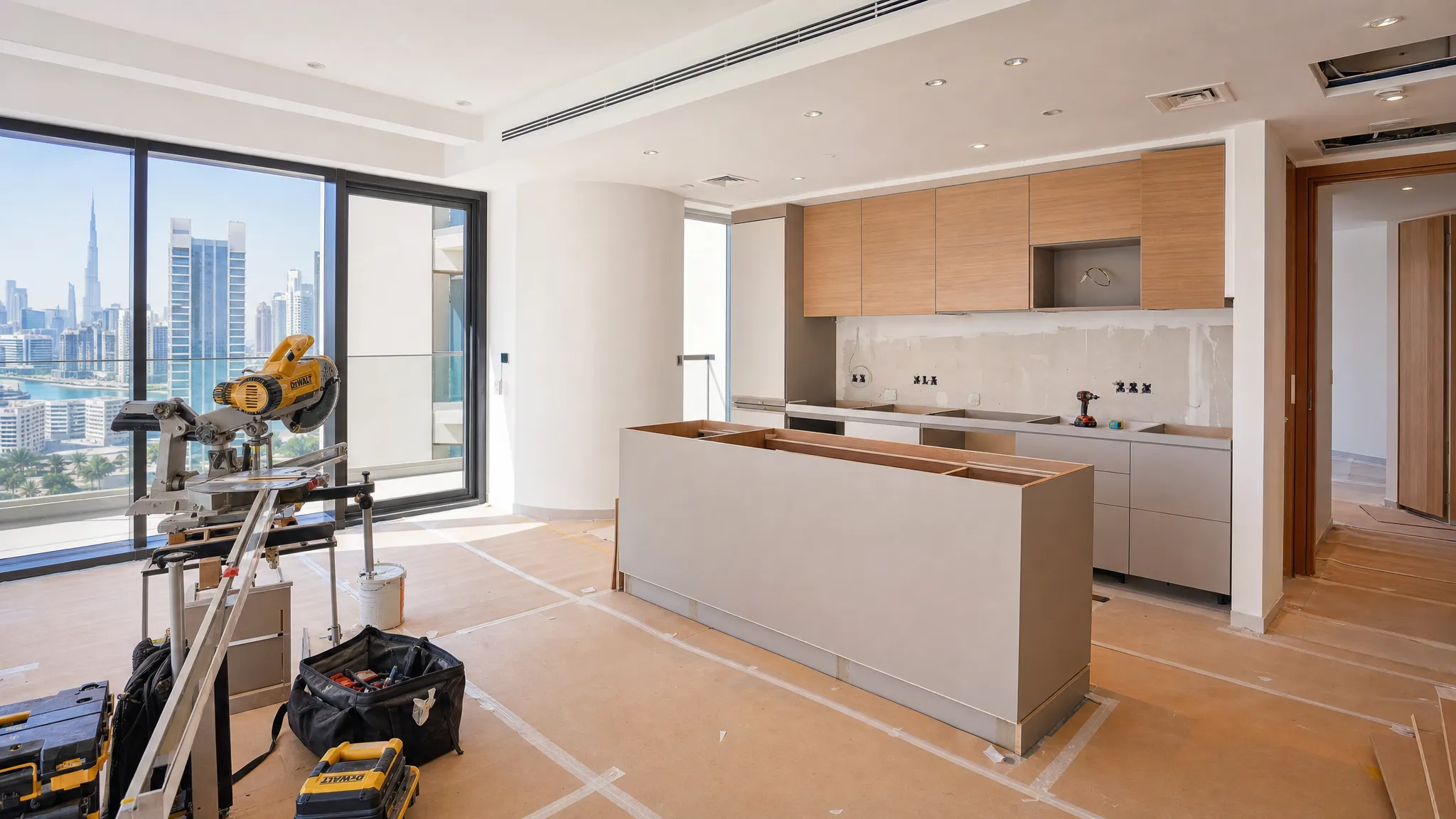
Kitchens and bathrooms often require the most planning because they involve water, power, ventilation, waterproofing, and frequent daily use. If these spaces are a priority, this guide on why kitchen and bathroom remodeling delivers more value explains why they often have the biggest impact on comfort and property appeal.
What affects cost and timeline
Homeowners often ask for a quick estimate before the site is inspected. While a rough range may be possible, reliable pricing depends on the scope, site conditions, material selections, access, approvals, and the complexity of the work.
A small cosmetic refresh may move quickly because it uses existing services and requires fewer trades. A full remodel that changes layouts, upgrades MEP systems, installs custom joinery, and uses premium finishes needs more time for design, procurement, construction, drying, inspections, and snagging.
| Cost or timeline factor | Impact on the project |
|---|---|
| Scope complexity | Layout changes and MEP upgrades require more labor and coordination |
| Material availability | Imported or custom materials can increase lead times |
| Building access | Lift bookings, parking, work-hour restrictions, and loading areas affect scheduling |
| Approval requirements | Community or building permissions may need time before work starts |
| Hidden conditions | Moisture, uneven surfaces, weak substrates, or old wiring can change the plan |
| Custom joinery | Measurement, fabrication, finishing, and installation require careful sequencing |
The cheapest quote is not always the best value. A low price may exclude essential work, use vague allowances, or leave important items to be charged later. Homeowners should look for a detailed scope, clear inclusions, realistic timelines, and transparent communication.
How to reduce risk during construction
The biggest risks in remodeling construction usually come from unclear expectations. Homeowners think an item is included, the contractor assumes it is excluded, or a design decision is made after the relevant trade has already finished. Documentation reduces these problems.
Before work begins, ask for a written scope that explains demolition, MEP, finishes, joinery, fixtures, painting, protection, cleaning, and handover. Confirm who supplies each material and who is responsible for coordination. If you are living in the property during the work, discuss dust control, access, safety, and which areas will remain usable.
Communication rhythm also matters. A weekly update can help homeowners understand progress, decisions needed, upcoming disruptions, and any site conditions that require attention. Photos, material approvals, and written confirmations are useful because remodeling involves many small details that are easy to forget.
Choosing the right team is one of the strongest ways to reduce risk. Beyond style and price, evaluate technical knowledge, site assessment quality, communication, project management, and whether the contractor explains practical constraints clearly. This article on what makes a great remodeling company for your project outlines the qualities homeowners should look for before signing.
What to expect during handover
Handover is not just the moment when the contractor leaves. It is the final quality-control stage. Homeowners should walk through the project carefully and note any snags, such as paint touch-ups, alignment issues, silicone finishing, door adjustments, grout cleaning, or fixture checks.
For technical areas, test switches, sockets, water pressure, drainage, cabinet hardware, appliance fit, lighting scenes, and ventilation. If custom joinery is included, open every drawer and cabinet. If bathrooms were remodeled, look for proper sealing and clean slopes toward drains.
A professional handover should also include practical care advice. Natural stone, wood finishes, painted surfaces, glass, hardware, and specialty wall finishes may all require different cleaning methods. Knowing how to maintain new finishes protects the investment and keeps the remodel looking fresh for longer.
Frequently Asked Questions
What is remodeling construction? Remodeling construction is the process of changing a home’s layout, function, systems, and finishes through coordinated building work. It can include demolition, electrical and plumbing upgrades, carpentry, tiling, painting, and installation.
How is remodeling different from renovation? Renovation usually refreshes or repairs what already exists, while remodeling changes how a space works. Replacing tiles is renovation, but moving a shower, changing lighting, and rebuilding storage is remodeling.
Do Dubai homeowners need approvals for remodeling? Many projects require some form of permission from building management, community management, a landlord, a developer, or relevant authorities. Requirements vary by property type, scope, and location, so they should be checked before work starts.
Can I live at home during remodeling construction? It depends on the project size. Small room-by-room upgrades may be manageable, but full-home remodeling can involve dust, noise, limited water or power access, and restricted use of key areas.
What should I ask a remodeling contractor before hiring? Ask about site assessment, scope details, material responsibilities, project timeline, approvals, supervision, communication process, warranty approach, and how variations are handled.
Which rooms usually deliver the most impact? Kitchens, bathrooms, and main living areas often create the biggest improvement in daily comfort because they affect storage, circulation, lighting, hygiene, entertaining, and routine use.
Plan your remodel with clarity
Remodeling construction becomes far less stressful when you understand the process, define your goals, and work with a team that balances design with technical execution. The best projects are not rushed into construction. They are planned carefully, communicated clearly, and finished with attention to detail.
If you are preparing to remodel a home, apartment, villa, or commercial space in Dubai, Revo Craft Renovations can help you shape a clear scope, refine your design direction, and manage the work with craftsmanship and transparent communication.